If your car has a dent, your first question is probably: Can this be fixed without a huge bill? Paintless dent repair (PDR) is often the fastest, most affordable answer, but it’s not right for every situation.
This guide breaks down exactly what PDR is, what it costs in San Diego, when it makes sense (and when it doesn’t), and how to navigate insurance so you’re making the smartest decision for your vehicle.
What Is Paintless Dent Repair and How Does It Work?
Paintless dent repair is a non-invasive technique used to remove minor dents, dings, and hail damage from a vehicle’s body panels without disturbing the original factory paint. Unlike traditional repair methods that rely on body fillers, sanding, and repainting, PDR works from behind or underneath the panel, massaging the metal back to its original shape with precision tools.
Because no paint or filler is used, the process preserves the vehicle’s original finish entirely. This matters more than most drivers realize – factory paint is thicker, more uniform, and more durable than any repaint job, and preserving it directly impacts resale value.
The PDR Process, Step by Step
Here’s how a professional PDR repair typically unfolds at a certified auto body shop:
- Damage assessment: A technician inspects the dent using specialized lighting to evaluate its size, depth, and location on the panel. This step determines whether PDR is viable.
- Access preparation: The technician gains access to the back side of the panel by carefully removing interior trim, tail lights, or other components without causing any additional damage.
- Precision massaging: Using specialized metal rods and picks, the technician applies gradual, controlled pressure to push the dent outward from behind, slowly working the metal back to its factory contour.
- Glue-pulling (when needed): For dents where rear access is limited, technicians use a pulling technique: a glue tab is attached to the dent’s surface, and a slide hammer or puller gently draws the metal forward.
- Final inspection and blending: The technician uses reflective boards (PDR lights) to check the panel from multiple angles, ensuring no ripples or high spots remain. The result should be invisible.
The entire process typically takes anywhere from one hour to a full day, depending on the number and complexity of the dents.
What Types of Dents Can PDR Fix?
PDR works best on the following types of damage:
- Door dings – Small impacts from other car doors in parking lots
- Minor collision dents – Shallow dents on hoods, doors, fenders, and trunk lids
- Hail damage – Multiple small dents across body panels, one of PDR’s most common applications
- Shopping cart dents – Round, shallow impacts with intact paint
- Body line dents – Dents near or on a body crease (requires a highly skilled technician)
The two critical conditions for PDR eligibility are that the paint must be intact (no chips or cracks) and that the metal must be sufficiently elastic to be reshaped without tearing or cracking. Want to know more about what PDR can address? Visit our paintless dent removal page or read our dedicated guide on what paintless dent repair is.
Paintless Dent Repair vs. Traditional Dent Repair
Understanding the difference between these two methods helps you make the right call – not just for your wallet, but for your vehicle’s long-term condition and value.
Key Differences in Process, Time, and Materials
| Factor | Paintless Dent Repair (PDR) | Traditional Dent Repair |
|---|---|---|
| Method | Metal reshaping from behind | Body filler, sanding, and repainting |
| Paint involvement | None – original paint preserved | Panel is sanded and repainted |
| Time to complete | 1 hour – 1 day | 2 – 5+ days |
| Average cost (minor dent) | $75 – $300 | $300 – $1,500+ |
| Factory finish preserved | Yes | No |
| Suitable for paint damage | No | Yes |
| Structural damage capable | No | Yes |
Traditional repair involves applying body filler (commonly called Bondo), shaping, priming, color-matching, and repainting the panel. While it can address more severe damage, it introduces variables – paint blending, color matching, texture matching – that even the best shops manage imperfectly. You can learn more about this distinction in our post on certified dent repair vs. regular dent repair.
How Each Method Affects Your Vehicle’s Value and Resale Price
This is where the PDR advantage becomes financially undeniable.
Every time a body panel is repainted, that information is potentially flagged in vehicle history reports – and savvy buyers notice. A vehicle with its original paint throughout is worth meaningfully more at trade-in or private sale than one with panel repaints on record.
PDR, because it involves no paint application, leaves zero trace of the repair. The vehicle’s history stays clean, its original finish stays intact, and its resale value is fully protected. For newer vehicles, leased cars, or luxury models, this alone makes PDR worth every dollar. Our blog post on why it’s important to fix your car panels digs deeper into how deferred dent repairs affect long-term vehicle value.
The Real Benefits of Paintless Dent Repair
1. Cost Savings: How Much Cheaper Is PDR?
For comparable damage, PDR typically costs 50–70% less than traditional repair. A door ding that might run $400–$600 through traditional bodywork can often be corrected with PDR for $75–$150. Hail damage that would cost $2,000–$5,000+ to repair through conventional methods can sometimes be addressed through PDR for a fraction of that, especially when multiple dents are repaired in a single session.
The savings are real – and for minor, paint-intact dents, there’s almost no financial argument for choosing traditional repair over PDR.
Ready to get an accurate estimate? Book an appointment with our team, or take advantage of our photo estimate service to get a quote without leaving home.
2. Faster Turnaround – Back on the Road Sooner
Traditional body repair requires paint flash time, clear coat application, curing, and polish – processes that stretch repairs to multiple days or even weeks. PDR, by contrast, is typically completed same-day or within 24 hours.
For daily drivers, rideshare vehicles (Uber, Lyft), or commercial vans, minimizing downtime is often as important as the cost itself. PDR delivers both. For context on how long more complex repairs take, see our guide on how long collision repair takes in San Diego.
3. Preserving Your Factory Paint and Original Finish
Factory paint isn’t just cosmetic – it’s structural protection. Original automotive paint is applied in controlled environments with multiple layers (primer, base coat, clear coat) and cured at temperatures most shops can’t replicate. Once you repaint a panel, you’ll never fully match the durability or depth of the factory finish.
PDR never touches your paint. The result is a repair that’s completely invisible – not just to the eye, but to any scanner, paint meter, or history report. For vehicles under Tesla warranty, this is especially important, as warranty coverage depends on maintaining the integrity of original components. Learn more at our Tesla warranty repairs page.
4. Eco-Friendly: No Fillers, No Solvents, No Waste
Traditional auto body repair involves VOC-emitting primers, paint solvents, plastic body fillers, and masking materials – all of which generate chemical waste. PDR uses none of these. There are no fumes, no chemical disposal concerns, and no environmental footprint beyond the technician’s time and tools. For environmentally conscious drivers – particularly those already choosing electric vehicles – PDR is a natural fit.
When Paintless Dent Repair Is NOT the Right Choice
PDR is powerful, but it has real limitations. Knowing when it won’t work saves you time and sets realistic expectations.
1. Dent Types and Damage PDR Cannot Repair
PDR is not suitable when:
- Paint is cracked, chipped, or scraped – The technique requires intact paint. Any break in the paint surface means the panel will need to be refinished regardless.
- The dent is too deep or too sharp – Extreme dents with hard creases or folds have stretched the metal beyond its ability to spring back without cracking.
- The panel is made of non-metal materials – Plastic bumper covers, fiberglass panels, and carbon fiber cannot be PDR-repaired. They require replacement or traditional repair.
- The dent is in an inaccessible location – Some areas of a vehicle (certain pillar sections, reinforced rails) don’t allow rear access, and the panel geometry doesn’t allow glue-pull techniques either.
- There is structural or frame damage – PDR is a cosmetic process only. If an impact has affected the vehicle’s frame or structural components, that must be addressed through frame and structural repair before any cosmetic work begins.
2. When Traditional Auto Body Repair Is the Better Option
Traditional repair is the appropriate choice when:
- The impact has caused paint damage (scratches, chips, or cracking)
- The dent involves a sharp crease or fold that has compromised metal elasticity
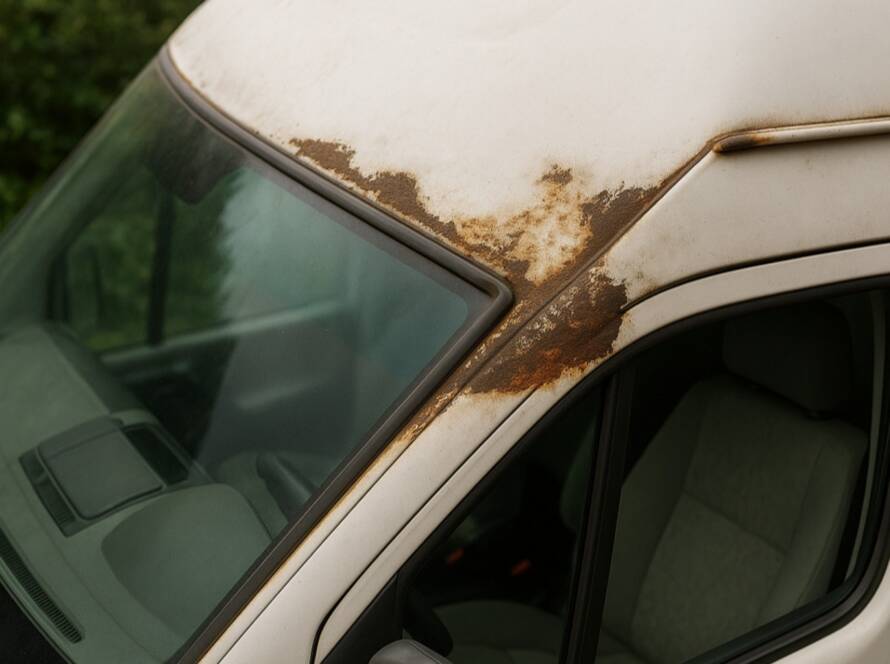
- Rust has developed inside or around the dent
- The panel itself is warped, bent, or misaligned
- Structural integrity is in question
A reputable shop won’t push you toward PDR when it’s not appropriate. At Bumper Plus Autobody, every vehicle gets an honest damage assessment before any repair method is recommended. View our full range of collision repair services, or check our car paint-matching and refinishing service for when paintwork is unavoidable.
Is Paintless Dent Repair Worth It for Insurance Claims?
This is one of the most common questions San Diego drivers ask – and the answer depends on a few important variables.
1. Does Car Insurance Cover PDR in San Diego?
Yes, in most cases. Comprehensive insurance typically covers hail damage, falling objects, and other non-collision events – all common PDR scenarios. Collision coverage applies when another vehicle or object caused the dent.
However, the real question isn’t whether insurance covers PDR – it’s whether filing a claim is the right financial move for your situation. Our team handles auto body insurance claims for all major carriers and can help you navigate this decision clearly and without pressure.
2. How to Use Your Insurance Claim for Dent Repair (Without the Headache)
Here’s a straightforward walkthrough:
- Document the damage – Photograph the dent thoroughly before driving the vehicle anywhere.
- File your claim – Contact your insurance carrier to open the claim.
- Choose your repair shop – In California, you have the legal right to choose your own body shop. You are not required to use an insurer-preferred shop.
- Get an estimate – Bring the vehicle in for a written estimate. At Bumper Plus, we work directly with your insurance adjuster to streamline the process.
- Confirm PDR eligibility – The shop assesses whether PDR is appropriate and submits the method to insurance for approval.
- Repair and claim closure – Once approved, repairs are completed, and the insurer pays the shop directly (minus your deductible).
We also handle claims for rideshare drivers. If you drive for Uber or Lyft, visit our Uber claims repair page or our Turo claims page for platform-specific guidance.
3. Deductible Considerations: Is It Worth Filing a Claim for a Small Dent?
This is where judgment matters most. If your deductible is $500 and the PDR repair costs $150, filing a claim makes no financial sense – you’d pay $500 out-of-pocket for a $150 repair, and your premium may increase.
The general rule: if the repair cost is less than or close to your deductible, pay out of pocket. PDR’s lower cost actually makes this decision easier in many cases – you can get quality cosmetic repairs done affordably without involving insurance at all.
For larger hail events or multi-panel damage, the repair cost will typically exceed the deductible, and filing a claim makes clear financial sense. When in doubt, get a written estimate first – it costs nothing and gives you everything you need to decide.
Bumper Plus Autobody also offers deductible specials – up to 50% off (limits apply). Check our current specials or call (858) 461-8088 for details.
How Much Does Paintless Dent Repair Cost in San Diego?
PDR pricing isn’t one-size-fits-all. Here’s what actually drives the cost.
PDR Pricing Factors: Size, Location, and Severity
| Factor | How It Affects Cost |
|---|---|
| Dent size | Larger dents require more time and precision – higher cost |
| Dent depth | Deeper dents are harder to massage out – may require multiple passes |
| Panel location | Edges, body lines, and areas near reinforcements are harder to access |
| Number of dents | Multi-dent jobs (hail damage) are often priced per panel or as a package |
| Metal type | High-strength steel and aluminum panels require specialized tools and expertise |
| Access difficulty | Panels requiring trim removal take longer to work on |
A single, straightforward door ding in San Diego typically costs $75–$150. More complex or numerous dents – like hail damage across multiple panels – can range from $500–$2,500+ depending on severity.
For a detailed breakdown of what dent repair costs in our area, read our post on how much it costs to repair a dent in San Diego.
PDR vs. Traditional Repair: A Side-by-Side Cost Comparison
| Scenario | PDR Cost (Est.) | Traditional Repair Cost (Est.) |
|---|---|---|
| Single door ding | $75 – $150 | $300 – $600 |
| Minor hood dent | $100 – $250 | $400 – $900 |
| Multiple hail dents (one panel) | $200 – $500 | $800 – $2,000 |
| Hail damage (full vehicle) | $1,000 – $3,000 | $3,000 – $8,000+ |
These figures are estimates and vary based on the shop, damage severity, and vehicle type. The gap, however, is consistent: PDR saves a significant amount of money when applicable.
How to Find a Trustworthy PDR Shop in San Diego
Not all PDR technicians are equal. The difference between a master PDR tech and an inexperienced one is visible – sometimes immediately, sometimes after the repair fails months later.
Certifications and Standards to Look For (Like I-CAR Gold Class)
The I-CAR Gold Class designation is the auto body industry’s highest ongoing training certification. Shops that hold this status have demonstrated a commitment to up-to-date repair procedures across all vehicle types – including EVs and aluminum-intensive vehicles.
At Bumper Plus Autobody, our I-CAR Gold Class certification means every technician on staff meets current industry repair standards – not yesterday’s methods. Additional markers of a trustworthy PDR shop:
- OEM certification or approval (Tesla Approved, manufacturer-trained)
- Written warranty on repairs
- Transparent, itemized estimates
- Strong local reputation – read our Google reviews, Yelp reviews, and Facebook reviews to see what San Diego drivers say about us
- Willingness to explain the process – a confident shop doesn’t dodge questions
Questions to Ask Before You Approve Any Dent Repair
Before signing an estimate at any shop, ask:
- Is PDR actually appropriate for my damage? A trustworthy shop will tell you honestly if traditional repair is the better option.
- Will the repair be completely invisible? Get a clear expectation in writing.
- Do you offer a warranty on PDR work? Reputable shops stand behind their repairs.
- Will this affect my vehicle’s paint or factory finish? The answer should always be “no” for PDR.
- Are you I-CAR certified or manufacturer-approved?
Our FAQs page covers many of the most common questions San Diego drivers ask before bringing their vehicles in. You can also read our customers’ reviews to get a real-world sense of what it’s like to work with us.
Frequently Asked Questions About Paintless Dent Repair
1. Does paintless dent repair really work?
2. How long does paintless dent repair take?
3. Can PDR restore my car’s original appearance?
4. When should I choose PDR over traditional auto body repair?
5. Is paintless dent repair worth it for insurance claims?
The Verdict: Is Paintless Dent Repair Worth It?
For the right type of damage, paintless dent repair is absolutely worth it – and in most cases, it’s the superior option in every measurable way. It costs less, takes less time, preserves your factory paint, protects your resale value, and leaves no evidence of the repair. For hail damage, door dings, minor collision dents, and any impact damage with intact paint, PDR should be your first call.
The important caveat: PDR is a precision technique, and its results depend only on the technician performing it. Choosing a certified, experienced shop is what separates an invisible repair from one that creates new problems.
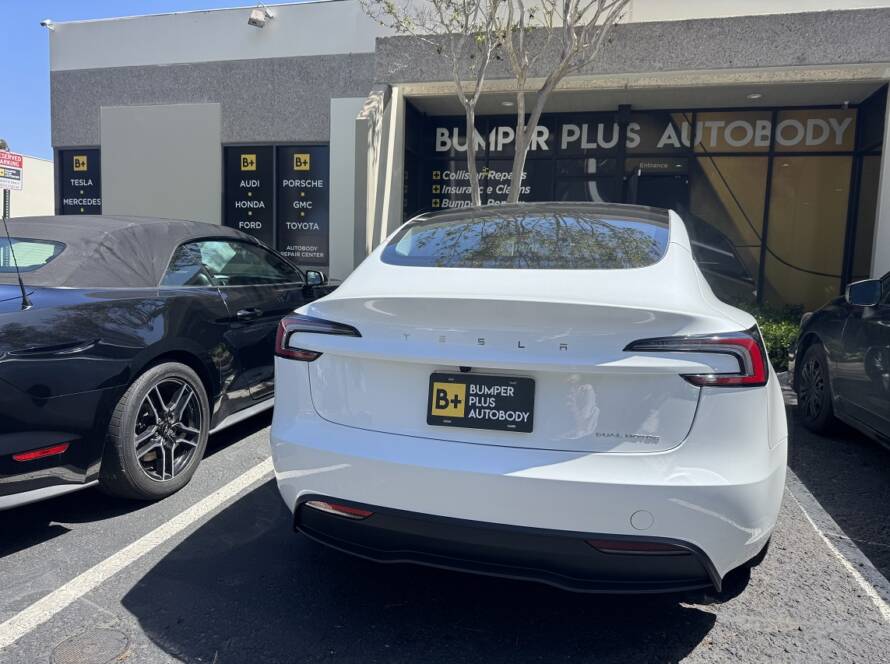
At Bumper Plus Autobody, we’ve built our reputation on doing the right repair the right way – including being upfront when PDR is the answer and equally upfront when it isn’t. As San Diego’s I-CAR Gold Class certified shop and an official Tesla Approved repair partner, we bring the tools, training, and track record to back every repair we perform.
Don’t let a dent sit. Minor damage deepens over time, especially in San Diego’s coastal climate where moisture and salt air accelerate rust beneath the surface. The sooner a dent is repaired, the more options you have – and the lower the cost.
Or call us directly at (858) 461-8088. We proudly serve drivers throughout San Diego, La Jolla, Rancho Santa Fe, Solana Beach, Encinitas, Carlsbad, and Oceanside. Visit our service areas page to confirm coverage in your neighborhood.