Knowing what to do after a car accident in San Diego, California – both immediately and in the hours/days that follow, can protect you legally, help with your insurance claim, and ensure your vehicle gets properly repaired.
This straightforward guide walks you through the exact steps every California driver should take after a crash, including legal reporting requirements, dealing with police and insurance, and choosing the right collision repair partner.
1: Check for Injuries and Get to Safety
Safety is your top priority. As soon as the accident happens:
- Check yourself and passengers for injuries.
- If anyone is even slightly hurt, call 911 right away. This ensures you get emergency medical help and a police response if necessary.
If your car is still drivable and it’s safe to do so, move it out of the traffic lane to reduce the risk of secondary collisions. California law specifically allows you to move vehicles after a crash when no one is seriously injured, but still requires stopping and reporting the incident.
When to Call 911 in California (Injuries, Property Damage, Road Hazards)
You MUST call 911 if:
- Someone is injured or unconscious
- There’s significant property damage
- The accident creates a road hazard
Even if you think the damage is minor, calling 911 ensures you have an official police report, which can be invaluable during insurance claims and legal disputes.
2: Securing the Accident Scene Safely
Under California law, if your car is blocking traffic and can be moved safely, you should move it to prevent further accidents. If anyone is seriously injured or there’s a possibility of criminal charges, do not move the vehicles until law enforcement arrives.
Using Hazard Lights, Cones, or Warning Triangles
Turn on your hazard lights immediately. If you have safety cones or reflective triangles, place them behind your vehicle on busy roads or at night. This helps other drivers see the crash site and minimizes further collisions.
3: California Accident Reporting Laws You Must Follow
Do You Have to Call the Police After a Car Accident in California?
Yes, especially if there are injuries, fatalities, or substantial property damage. California Vehicle Code requires that drivers stop at the scene of an accident and fulfill their reporting duties. Leaving the scene without doing so can lead to severe criminal charges, including misdemeanor or felony convictions in serious crashes.
What Is the SR-1 Form and When It’s Required?
In addition to any police report, California drivers are legally required to file an SR-1 Report of Traffic Accident Occurring in California with the DMV within 10 days if:
- Anyone was injured (even minor injuries),
- Property damage exceeds $1,000,
- Someone was killed. This DMV form is mandatory even if an officer already completed a police report at the scene.
If you fail to file the SR-1 in time, your driver’s license can be suspended under California law.
Deadlines, Fines, and License Risks for Not Reporting
Filing on time matters. Missing the SR-1 deadline or failing to notify law enforcement (when required) can result in:
- License suspension
- Points on your driving record
- Insurance complications
- Legal penalties
Even if police respond to the scene and take their own report, you still must file the SR-1 when the accident meets reporting criteria.
4: Information You Must Exchange With the Other Driver
Exchange the following with the other driver(s):
- Full name and contact details
- Driver’s license number and state
- License plate number
- Insurance company and policy number
- Vehicle make, model, and color
- Owner’s name and address (if different)
California code mandates this exchange of information, and you must show your driver’s license, registration, and proof of insurance if requested.
What NOT to Say or Admit at the Scene
Do not admit fault or apologize, even if you think the accident was partially your fault. Statements like “I’m sorry” or “It’s my fault” can be interpreted as admissions of liability and used against you during insurance settlement or legal assessments.
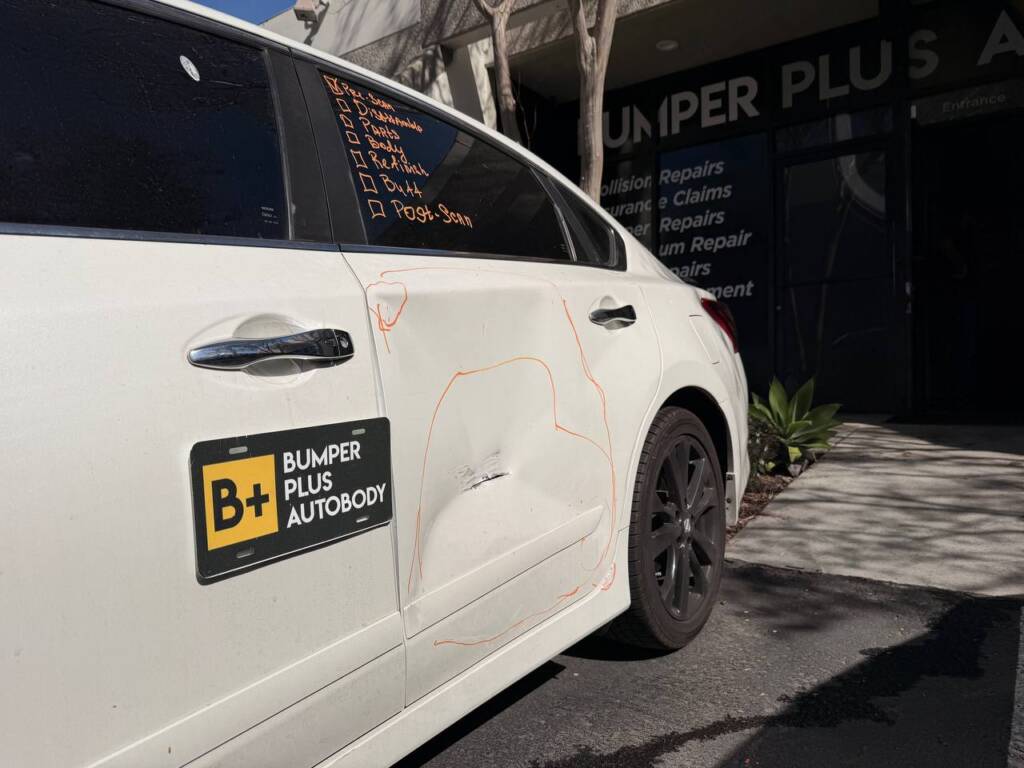
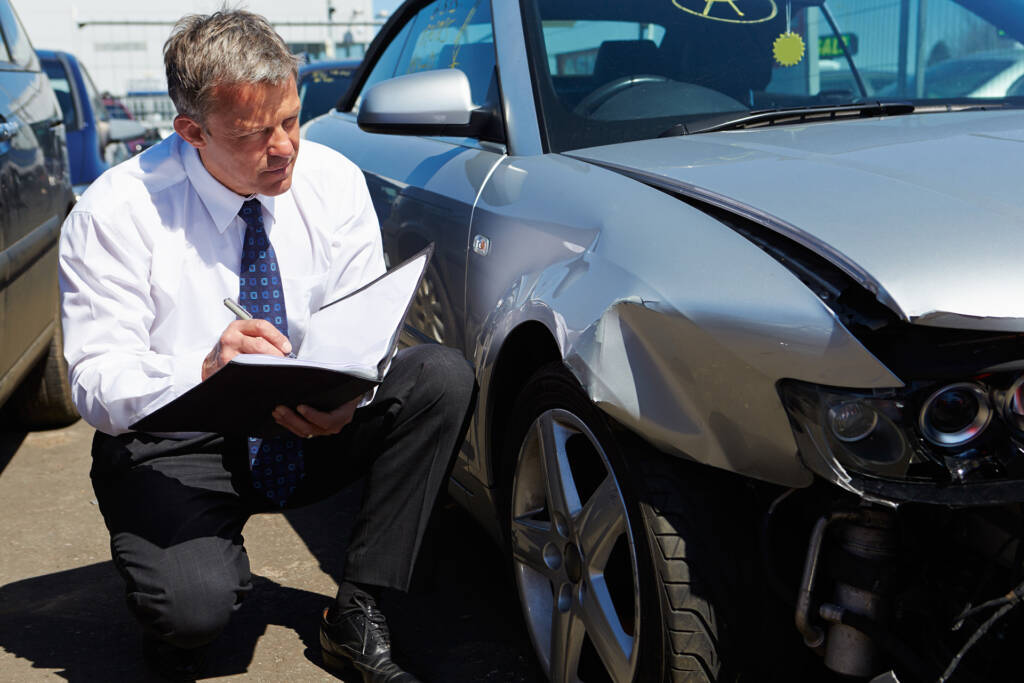
How to Document a Car Accident to Protect Yourself
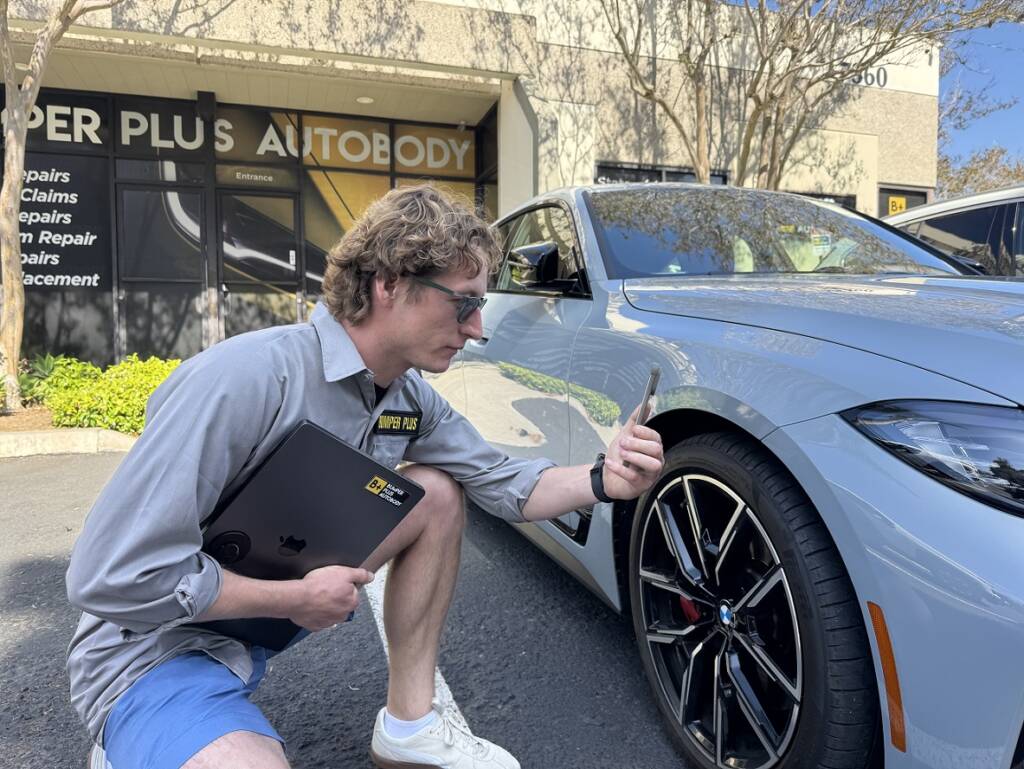
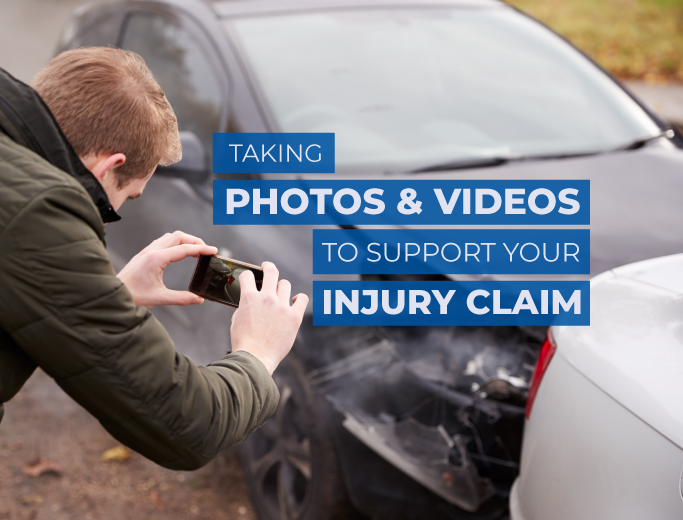
Take clear, detailed photos of:
- Vehicle damage from all angles
- License plates
- The overall accident scene
- Road signs, skid marks, and traffic signals
- Any visible injuries
These visuals help insurance adjusters understand what happened and influence fault determinations.
Witness Statements and Police Reports
If there are bystanders, ask for their contact details and a written statement. Independent witnesses greatly enhance the credibility of your version of events. Also, request the police report number before leaving the scene to help with your insurance claim and legal documentation.
5: What to Do If the Other Driver Is Uninsured or Flees?
If the other driver doesn’t stop – call the police immediately. Provide as many details as possible:
- License plate (if available)
- Vehicle description
- Direction of travel: Leaving the scene of an accident, even without injuries, can be a crime under the California Vehicle Code.
Using Uninsured Motorist Coverage
If the other driver is uninsured, contact your insurance company right away. Your uninsured motorist coverage may help pay for vehicle repairs and medical costs. Filing promptly ensures your claim isn’t disputed for late reporting.
6: When and How to Contact Your Insurance Company?
How Soon You Must Notify Your Insurer
Most insurance policies require you to notify them promptly – typically within 24–72 hours. Even if you’re not sure about fault, report the accident early to protect your coverage and ensure the claims process starts immediately.
Common Insurance Mistakes That Delay or Deny Claims
Avoid:
- Delaying your initial report
- Providing incomplete or vague details
- Posting accident information publicly on social media
- Admitting fault in early conversations
These missteps often extend claim handling and can affect how long collision repair takes or whether your insurer disputes coverage.
7: Getting Your Vehicle Repaired After a Car Accident
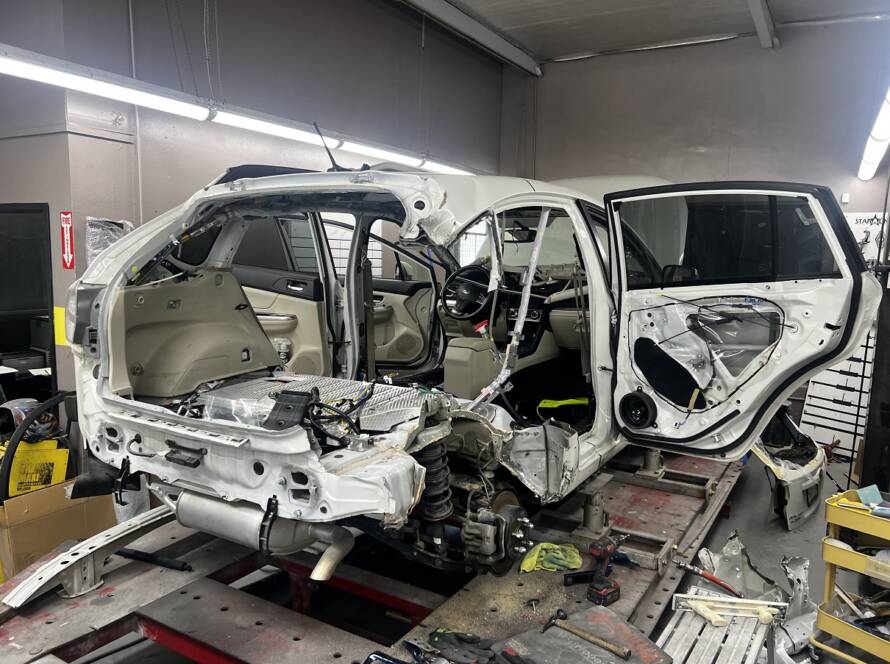
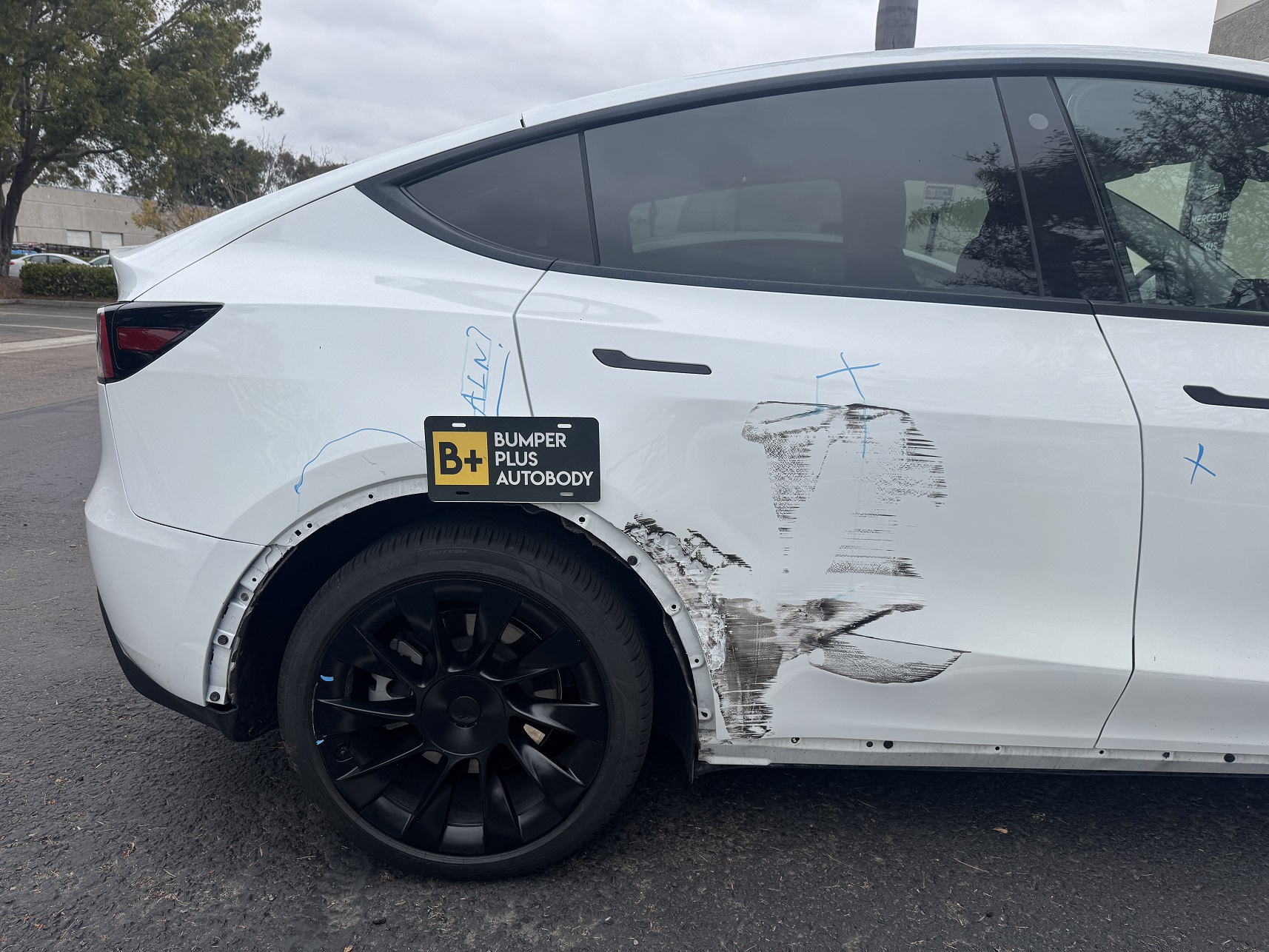
After an accident, proper collision repair is crucial – not just cosmetic fixes. Modern cars, especially Teslas and other EVs, rely on advanced sensors and aluminum structures. Improper repairs can:
- Compromise safety systems
- Void warranties
- Lead to higher long-term costs
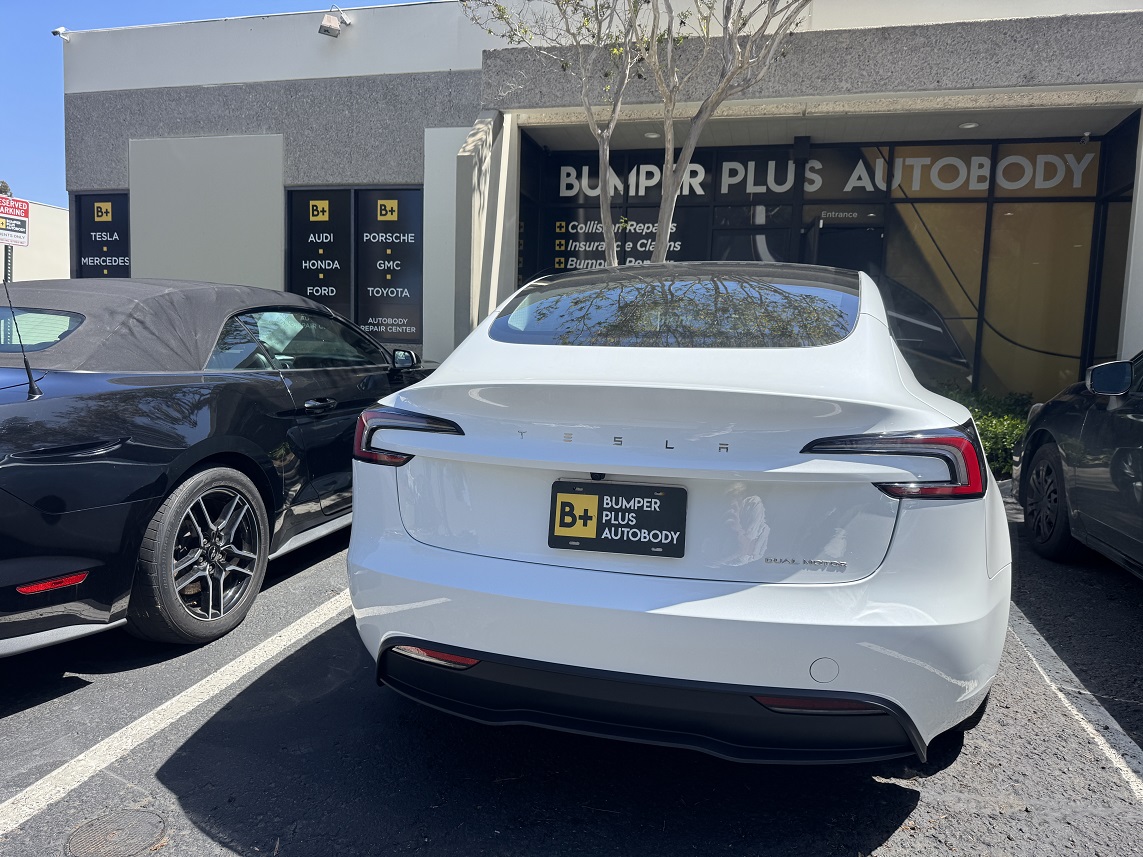
At Bumper Plus Autobody, every repair is backed by OEM-quality parts and I-CAR Gold Class certification. As a Tesla-approved collision repair partner, BPAuto Body has restored over 3,000 Teslas to pre-accident condition with warranty-backed precision.
Choosing a Repair Shop vs. Insurance “Recommended” Shops
Insurance companies often suggest a shop that minimizes cost, not quality. You have the right to choose where your car is repaired. Choosing a trusted, certified collision center like Bumper Plus Autobody can:
- Improve repair quality
- Reduce turnaround time
- Better protect your vehicle’s value
When It’s Unsafe to Drive After an Accident?
Do not drive your car, and call a car carrier if:
- Airbags were deployed
- The steering feels unstable
- There’s structural damage
- Warning lights remain on
Driving a damaged vehicle can make hidden issues worse and increase the complexity and cost of repairs.
Call us today at 858 461 8088 or Schedule An Appointment.
What NOT to Do After a Car Accident in California?
1. Leaving the Scene Too Soon
Leaving before exchanging information or reporting to police can result in hit-and-run charges even if the damage seems minor.
2. Skipping Medical Checks
Some injuries, like whiplash or internal bruising, don’t show symptoms immediately. Skipping medical attention early can weaken your injury claim and delay treatment.
3. Delaying Repairs or Documentation
Postponing repairs or failing to document the scene can lead to:
- Longer insurance processing times
- Disputed claims
- Higher out-of-pocket costs
Addressing both documentation and repair promptly helps accelerate your entire recovery process.
Frequently Asked Questions About California Car Accidents
Do I Have to Report a Minor Car Accident in California?
How Long Do I Have to Report an Accident to the DMV?
Should I File an Insurance Claim Right Away?
What If I’m Injured Days After the Accident?
Final Checklist: What to Do After a Car Accident in California
- Safety: Check injuries, call 911
- Police & Reporting: Get police report, file SR-1
- Documentation: Take photos, witness info
- Insurance: Report promptly
- Repairs: Choose certified collision repair