Dents happen – parking lots, shopping carts, minor collisions, hailstorms. The real question isn’t whether your vehicle can be repaired, but how it should be repaired. Paintless Dent Repair (PDR) is one of the most effective and cost-efficient solutions for minor dents, but it isn’t right for every situation.
This guide explains what paintless dent repair is, how it works, how much it costs, and when it makes sense, especially for modern vehicles, luxury cars, and EVs like Tesla.
What Is Paintless Dent Repair (PDR)?
Paintless Dent Repair (PDR) is a specialized auto body repair technique that removes dents without sanding, body filler, or repainting. Instead of covering damage, technicians carefully reshape the metal panel back to its original form from behind the surface.
PDR is a way to fix dents while preserving your factory paint, which is critical for maintaining vehicle value and appearance.
Paintless Dent Repair vs Traditional Dent Repair
Traditional dent repair typically involves:
- Grinding or sanding the damaged area
- Applying body filler
- Repainting the panel
- Blending paint across adjacent panels
Paintless dent repair avoids all of that. Because the original paint stays intact, PDR is:
- Faster
- More affordable
- Less invasive
- Better for resale value
This is why paintless dent removal is often the preferred first option when damage qualifies.
How Does Paintless Dent Repair Work?
Paintless dent repair follows a methodical, 3-step process:
- Body Inspection
- Accessing damaged parts
- And precision reshaping.
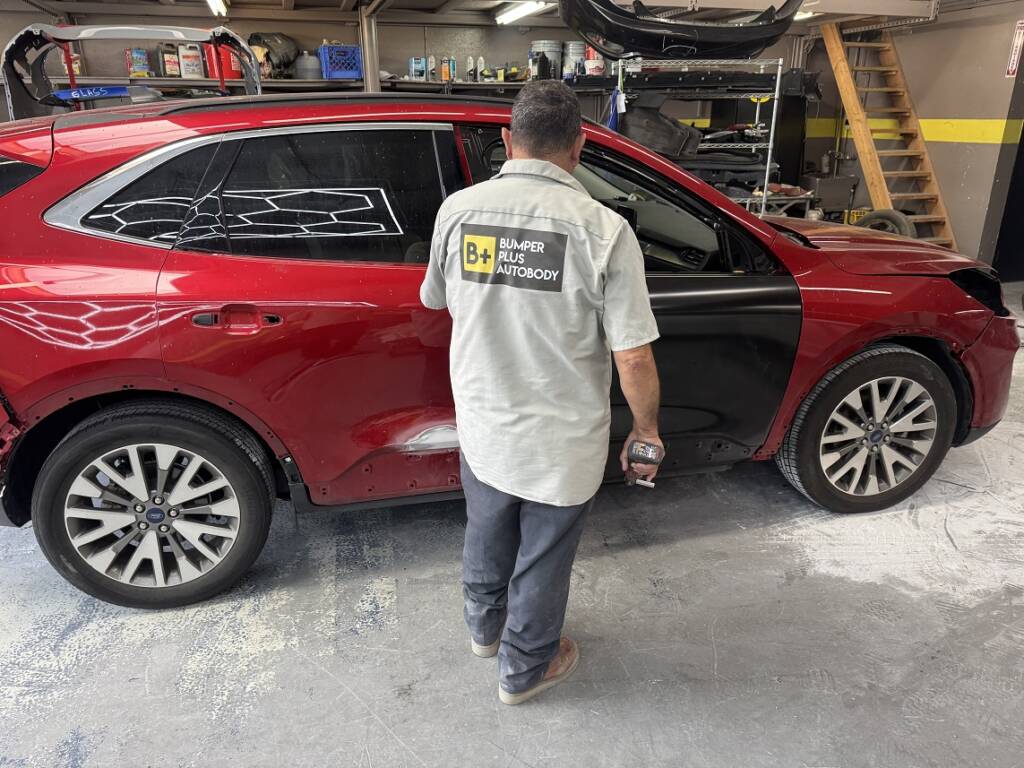
First, the technician inspects the damage under special lighting to understand dent depth, direction, and whether the paint is still flexible and intact; then they find an access route (through trim openings, inner panels, or structural gaps) to reach the back of the dent.
Using specialized PDR rods, levers, and tap-down tools, the technician applies controlled pressure from behind the metal or uses glue tabs on the outside to lift the low spot slowly.
The real difference in results comes from technician skill, not just the tools, because over-pushing the metal or misreading the dent can cause high spots or paint cracking, especially on aluminum and EV panels.
What Types of Dents Can Be Fixed with Paintless Dent Repair?
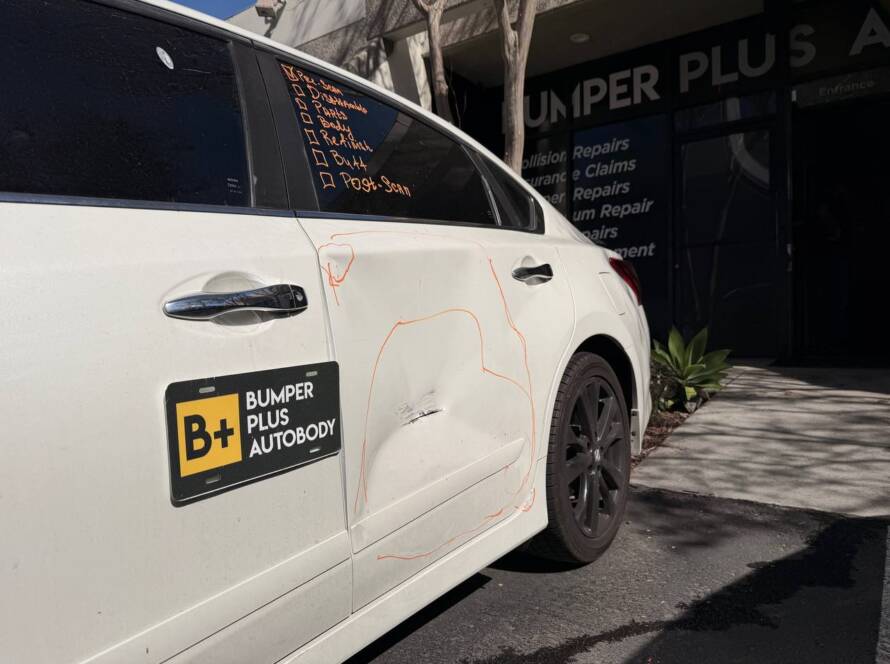
Paintless dent repair is ideal for small to moderate dents where the paint surface is not cracked or severely stretched.
Common examples include:
- Parking lot door dings,
- Shopping cart dents,
- And minor collision dents where panels are not sharply creased or torn.
- PDR is also a go‑to solution for hail damage, where many shallow dents appear across the hood, roof, and trunk.
When Paintless Dent Repair Will NOT Work?
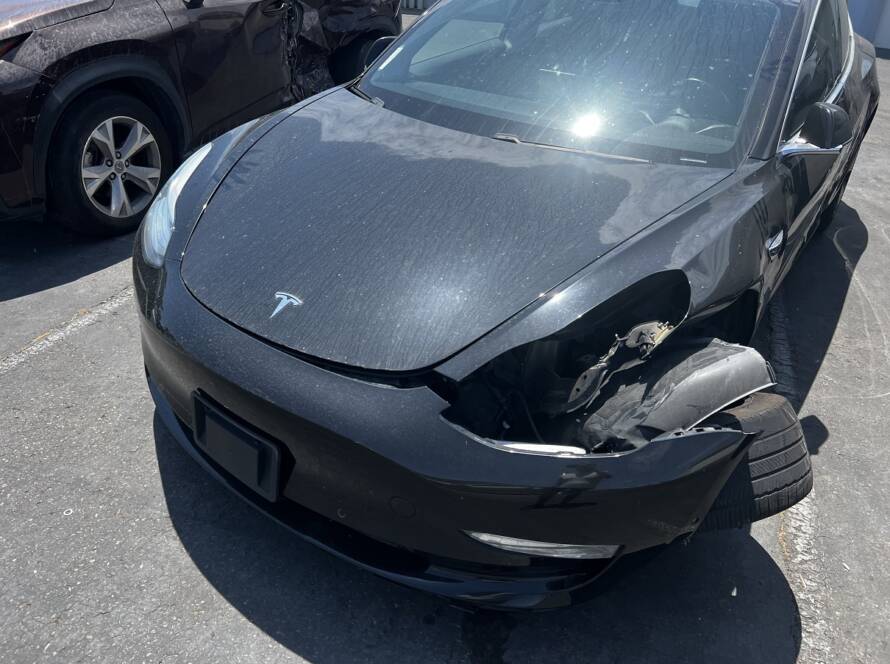
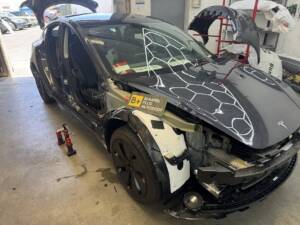
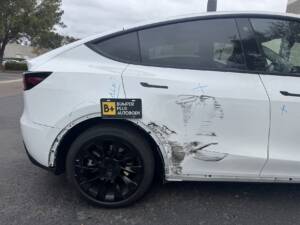
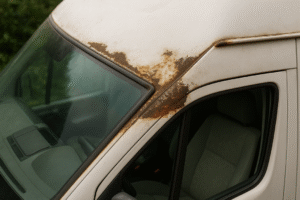
There are clear limits to when paintless dent repair will work and when a traditional body repair is safer for your vehicle. PDR is usually not appropriate when the paint is cracked, chipped, or missing, because further manipulation of the metal can cause peeling and corrosion that only repainting can fix.
Severe creases, sharp folds, torn metal, and structural damage around frame rails or crash zones are also poor for PDR. In addition, certain aluminum panels and EV body areas with dense sensor or battery packaging require extra caution.
Benefits of Paintless Dent Repair for Vehicle Owners
Paintless dent repair offers several high‑value benefits for everyday drivers, fleet owners, and EV owners. Because it preserves your factory paint, you avoid potential color mismatch and overspray, which helps maintain the OEM appearance and reduces the risks of diminished value when you sell or return a leased vehicle.
PDR is often faster and more cost‑effective than traditional repairs; many minor dents can be resolved in a day or less. For eligible damage, it may let you pay out of pocket instead of filing a claim, helping drivers who want to avoid small insurance claims on their record.
Paintless Dent Repair vs Traditional Dent Repair
Below is a practical comparison to help decide between paintless dent removal and conventional body repair:
| Aspect | Paintless Dent Repair (PDR) | Traditional Dent Repair (Fill & Paint) |
|---|---|---|
| Typical Cost | Often $80–$175 per small dent; larger dents can reach $150–$350+ per dent in many markets. | Often $125–$325 per dent or more, especially when repainting or panel replacement is needed. |
| Time Required | Hours to a few days for most jobs. | Several days to weeks, depending on prep, paint, and curing. |
| Paint Integrity | Preserves factory paint and clear coat when damage is suitable for PDR. | Sanding, filler, and repainting alter the original finish. |
| Best For | Small-medium dents, intact paint, hail, and door dings. | Cracked paint, severe creases, structural or torn metal damage. |
| Long-term Value | Helps maintain resale/lease value and avoids colour mismatch. | Necessary for severe damage, but may require blending and more invasive work. |
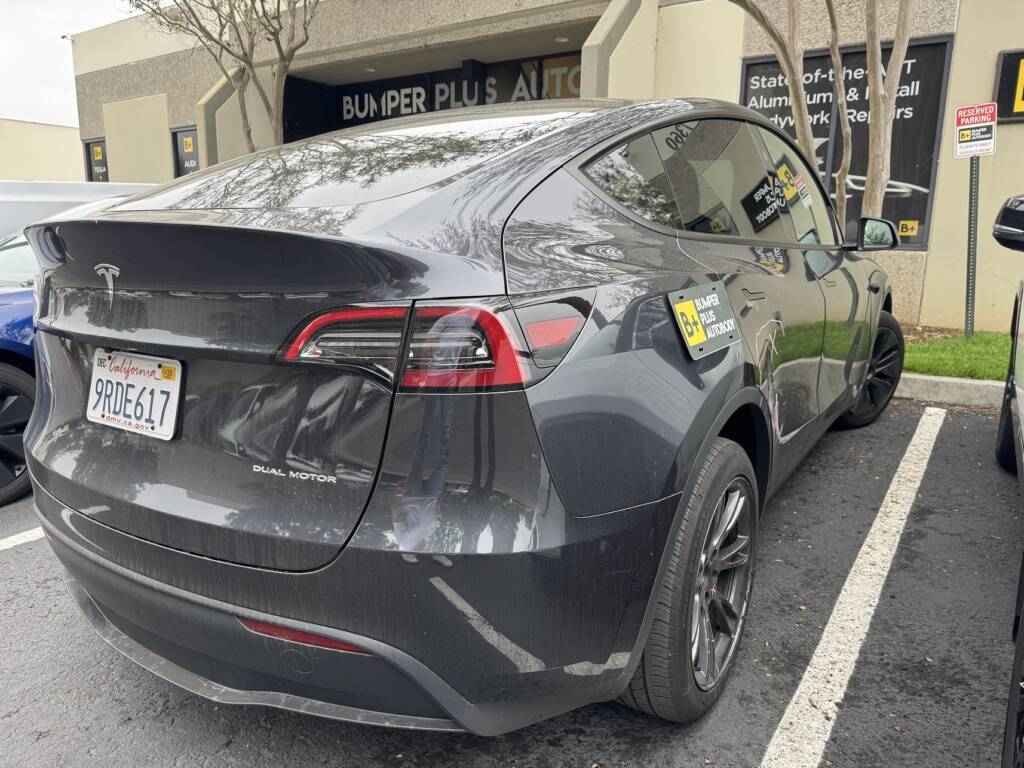
Why Choose Bumper Plus Autobody for Paintless Dent Repair in San Diego
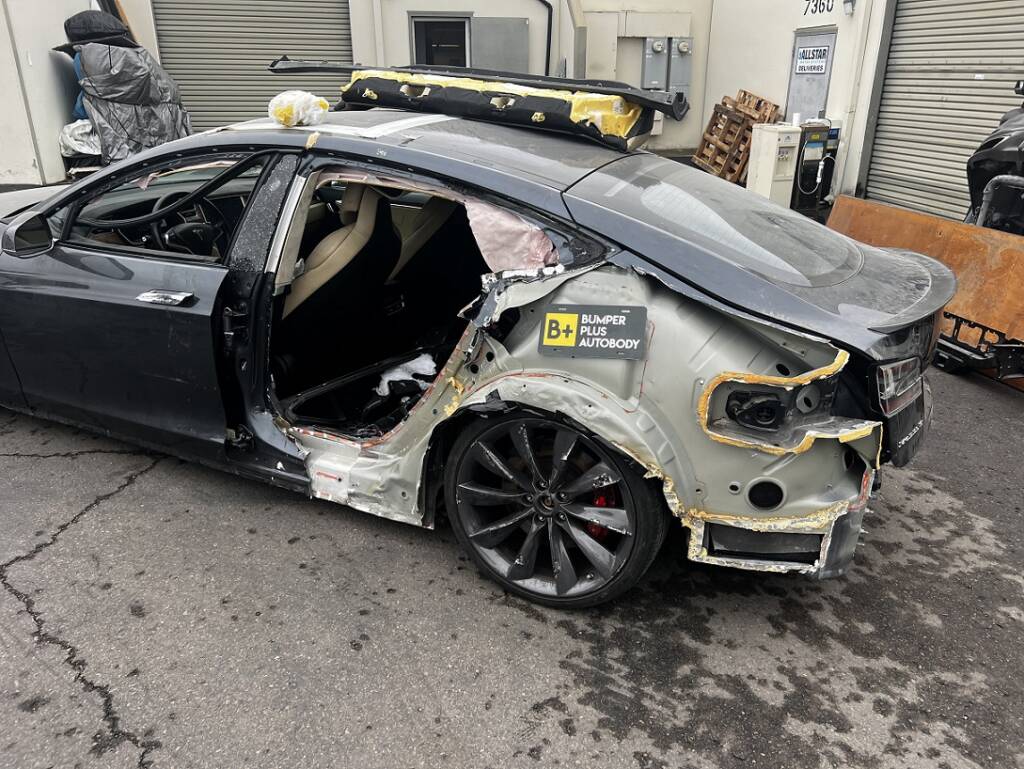
Bumper Plus Autobody combines more than 50 years of collision repair experience in San Diego. With advanced training and modern equipment for today’s vehicles, including Teslas, Sprinter vans, and EVs.
We are:
- I-CAR Gold Class certified
- Tesla-approved repair partner
- Specialized in EV and aluminum bodywork
- Insurance claims handled start to finish
- Trusted by San Diego drivers and fleet operators
When PDR isn’t the right solution, you’ll get an honest recommendation.